A sudden disturbance in Libya's western power grid triggered a partial blackout, highlighting ongoing vulnerabilities despite recent assurances from GECOL that the worst outages were over. Investigations are underway into possible technical faults or sabotage.
Libya's General Electricity Company (GECOL) reported a partial blackout in the western region's power grid early this morning, following a significant disturbance that led to the tripping of two major transmission circuits. The incident comes just after GECOL's senior management held a press conference in Tripoli, where they sought to reassure the public that the most severe summer power cuts were ending and that new generation capacity would soon be operational.
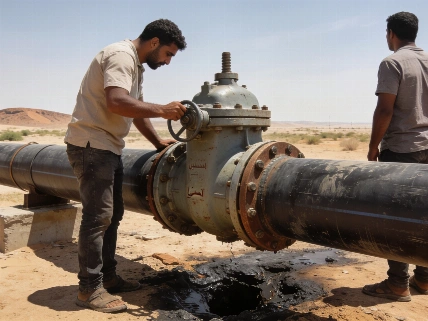
According to GECOL, the outage was triggered when the Misrata/Al-Khoms 400kV and Bir Al-Ghanam/Al-Ruwais circuits tripped simultaneously, causing grid frequency to plunge from 50 Hz to 47.5 Hz. This sudden imbalance between electricity generation and demand resulted in widespread service disruption across western Libya.
Technical Investigation and Security Concerns
GECOL has launched a detailed technical investigation, reviewing protection system logs to determine whether the circuit failures were caused by equipment faults or deliberate interference. The company has not ruled out the possibility of sabotage, given the strategic importance of the grid infrastructure. GECOL pledged to restore system stability and committed to transparently sharing the findings of its investigation with the public, including any legal steps to protect these critical national assets.
Persistent Grid Challenges Despite New Capacity
The blackout follows recent public statements from GECOL leadership, who had pointed to the imminent commissioning of the Tripoli South Power station and the expected decline in peak summer demand as reasons for optimism. However, the latest incident underscores the ongoing fragility of Libya's electricity network, which has faced repeated disruptions throughout the summer. In a related development, GECOL previously managed nearly 10,000 outage reports in a single day, as detailed in coverage of the company's response to widespread power interruptions.
What to Watch Next
Stakeholders will be monitoring the outcome of GECOL's technical investigation, as well as the timeline for bringing new generation capacity online. The company's ability to stabilise the grid and prevent further outages will be critical for public confidence and national security as Libya moves into the post-summer period.