
The European Union, Tunisia, Uzbekistan, Oman, and Turkey have all condemned recent Houthi attacks on Saudi Arabia, voicing support for the Kingdom's security and warning of risks to regional stability and maritime trade.
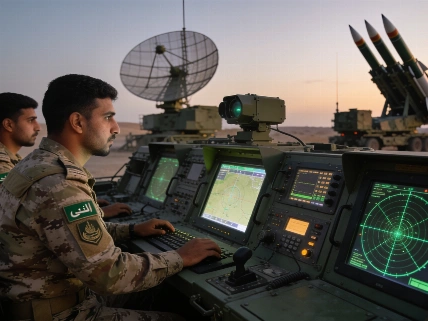
Saudi Arabia's security has drawn renewed attention from regional and international partners after a series of Houthi militia attacks, including a recent strike near Mecca. On September 16, Saudi forces intercepted and destroyed a Houthi drone south of the city, stopping it from entering restricted airspace, according to the Saudi-led coalition (Reuters). The next day, Saudi Civil Defense reported the first confirmed fatality on Saudi soil since the escalation began: a Yemeni resident killed by falling drone debris over Taif. More than 80 people have been injured in recent incidents, highlighting the growing human toll of the conflict.
The European Union issued a statement condemning attacks on civilians and infrastructure in Saudi Arabia, calling them "unacceptable" and warning that continued Houthi aggression undermines efforts for a peaceful solution in Yemen. The EU spokesperson expressed full solidarity with Saudi Arabia and urged the Houthis to stop military operations, pledging ongoing cooperation with the United Nations and regional partners to de-escalate the conflict. Tunisia's Ministry of Foreign Affairs echoed these points, stressing the need for joint action to protect regional stability and maritime security, as reported by Tunis Afrique Presse (TAP).
Maghreb and Gulf states close ranks on Saudi security
Tunisia, Uzbekistan, and Oman joined the EU in condemning the attacks, describing them as a direct threat to Saudi sovereignty and stability. Their statements voiced support for Saudi efforts to protect its territory and keep maritime navigation safe-an issue that has become more urgent as Houthi actions disrupt shipping in the Red Sea and Bab al-Mandab. Algeria's Ministry of Foreign Affairs also reaffirmed its commitment to regional security, emphasizing the need for coordination among Maghreb and Gulf states in response to these threats, according to the Algerian Press Service (APS).
Turkey's Ministry of Defense also condemned the recent drone attack, with spokesperson Zeki Akturk warning about the impact of ongoing Houthi threats on both regional security and international maritime trade. Akturk, speaking at a press briefing in Ankara, called for an end to such attacks to prevent further instability. Houthi representatives, meanwhile, claim their operations target only Saudi military sites and say Red Sea shipping is safe for most countries except Saudi vessels, while threatening more escalation unless Riyadh ends its military campaign and blockade of Yemen.
Security cooperation intensifies between Saudi Arabia and Qatar
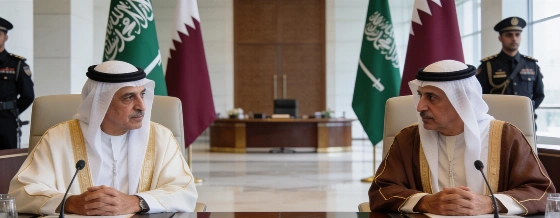
Amid these tensions, Saudi Minister of Interior Prince Abdulaziz bin Saud bin Naif bin Abdulaziz met with his Qatari counterpart, Sheikh Khalifa bin Hamad bin Khalifa Al Thani, in Riyadh to review and strengthen security cooperation. The two officials co-chaired the fourth meeting of the Security and Military Committee under the Saudi-Qatari Coordination Council, following directives from the top levels of both governments. Prince Abdulaziz called for increased efforts to address regional and international challenges, citing the close ties and recent agreements between the two countries as a basis for deeper collaboration. The Qatar Tribune covered the meeting in detail.
This diplomatic activity comes as Maghreb states adjust their alliances in response to changing security priorities, as seen in Tunisia's evolving regional stance reported earlier. Morocco's Ministry of Foreign Affairs has also issued statements supporting Saudi Arabia's right to defend its territory, in line with the African Union's calls for de-escalation and respect for international law in the region.
US arms deal signals deepening Saudi defence posture
In a related development, the United States has approved a possible $24.3 billion sale of F-35 stealth warplanes to Saudi Arabia. The State Department said the deal would help Saudi Arabia deter threats, strengthen homeland defense, and improve cooperation with US forces. The Saudi embassy in Washington welcomed the agreement, describing it as evidence of the ongoing security partnership between the two countries and its role in supporting regional stability and collective defense.
With the Red Sea and Bab al-Mandab still under threat from Houthi operations, the combined diplomatic, military, and security support for Saudi Arabia points to stronger regional alliances. The coordinated response from the EU, Maghreb, Gulf, and Western partners shows that Saudi security is now closely tied to the stability of key maritime routes and the wider region.