
RINA has set up a new subsidiary in Casablanca, positioning itself to work directly with Morocco's growing green hydrogen sector and industrial decarbonisation plans as the country ramps up renewable energy targets and port capacity.
RINA has launched a dedicated subsidiary in Casablanca, aiming to secure a place in Morocco's fast-developing green hydrogen sector as the country works toward 52% renewable electricity capacity by 2030. The move is a calculated effort to get in early as global competition for hydrogen infrastructure heats up. According to the Moroccan Agency for Sustainable Energy (MASEN) and the Ministry of Energy Transition and Sustainable Development, Morocco is investing heavily in renewables and hydrogen-related infrastructure, with more than $32.5 billion allocated for sector development and a goal of exporting up to 3 million tonnes of green hydrogen a year by 2030 (Morocco World News).
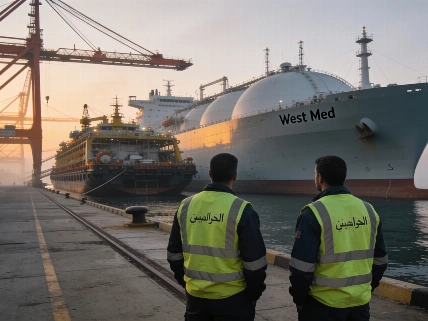
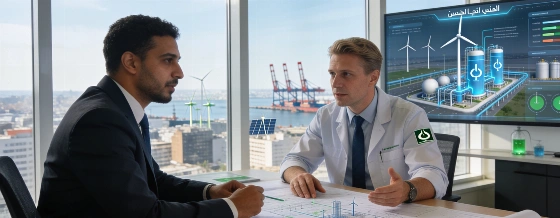
The government has made its intentions clear. With major assets like Tanger Med port and a pipeline of renewables projects, Morocco wants to lead Africa in green energy and logistics. RINA's new office will offer engineering, consulting, and technical services across the hydrogen value chain, from electrolysis design to port logistics and industrial decarbonisation. The company is targeting not only energy production, but also the infrastructure and mobility systems needed for Morocco's export plans. The national "Green Hydrogen Offer" framework, launched in March 2024, covers derivatives such as ammonia, methanol, and synthetic fuels, as confirmed by the Ministry of Industry and Trade and reported by Maghreb Arab Press (MAP).
Strategic context and competition
By setting up in Casablanca, RINA is embedding itself in Morocco's industrial network at a key moment. The country's renewables drive is about more than domestic supply-it's also about attracting foreign investment, securing export markets, and staying ahead of regional competitors. Tanger Med's advanced port infrastructure gives Morocco a logistical advantage over most African peers. As previously reported, the rapid buildout of renewables and related infrastructure is already changing the region's economy and raising the stakes for international players. The Ministry of Foreign Affairs has pointed to Morocco's role in the Euro-Mediterranean energy corridor, with 37.7 GW of renewable energy capacity in development across the region, much of it linked to green hydrogen, according to Euronews and regional news agencies.
RINA is not making a speculative move. The company expects rising demand for expertise in power systems, hydrogen production, and integrating renewables into industrial processes. With Morocco's policy targets driving a wave of new projects, the need for experienced engineering and sustainability partners is growing. RINA's Africa strategy is straightforward: establish a presence now, before the market is dominated by larger multinationals or state-backed firms. The Synhelion project in Tan-Tan, which has already secured its site and set up Synhelion Morocco with Casablanca Finance City status, shows the scale of international investment now entering the sector, as confirmed by the Ministry of Economy and Finance and reported by MAP.
Who benefits-and who misses out
Morocco's industrial and energy sectors stand to gain most, with access to international technical expertise and project management. For RINA, the benefits include early access to major projects, close ties with government and port authorities, and a base for expansion across North Africa as hydrogen demand grows. Slower-moving competitors and local firms without the scale or experience to handle large, complex contracts risk being left behind. The African Union's Department of Infrastructure and Energy has also highlighted Morocco's lead in piloting the continent's first industrial-scale green hydrogen reference plant, set to go online in 2026, with over €200 million in support from Germany's BMZ for projects in Morocco and Egypt (Konrad Adenauer Stiftung).
RINA's Casablanca launch signals that Morocco's green hydrogen ambitions are now drawing serious international investment and technical expertise. The next challenge will be turning these partnerships into operational projects and export revenues, and securing a lasting competitive edge for Morocco in the global energy transition. For now, RINA's move shows that the race for North Africa's hydrogen market is underway, and hesitation could mean missing out.