
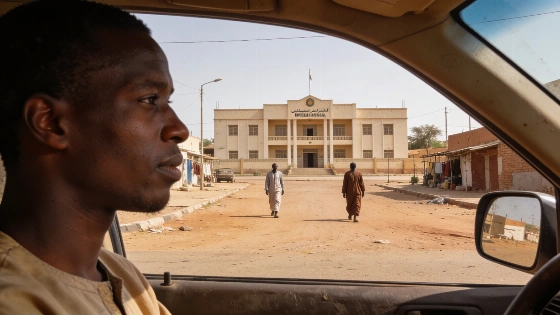
Amjad Farid says Sudan has sent changes to the US 90-day truce proposal, including a demand for an internationally monitored RSF withdrawal from urban areas. He warns the plan could entrench the force and push Sudan toward a Libya-style split.
Amjad Farid says Sudan's army-led authorities have sent Washington changes to its ceasefire proposal. The senior adviser warned Reuters that the plan, in its current form, risks a Libya-style split rather than an end to the war.
The dispute goes beyond a pause in fighting. Sudan's authorities say the plan could preserve a place for the Rapid Support Forces (RSF) in the country's political future. Reuters reported on 30 September that the proposal calls for a 90-day ceasefire, followed by negotiations to end the war and restore a civilian transition.
The main sticking point is the RSF's withdrawal from cities. Farid, an adviser to army leader General Abdel Fattah al-Burhan on political and international affairs, said Sudan had submitted changes to the US plan. The authorities want an internationally monitored RSF withdrawal from urban areas. Farid said Washington appeared to have ignored that proposal.
That is the dispute. Farid told Reuters the US approach could amount to a de facto partition like Libya's. He argued that it could allow the militia to keep operating and preserve its place in Sudan's political future. US Senior Advisor for Arab and African Affairs Massad Boulos put forward the proposal.
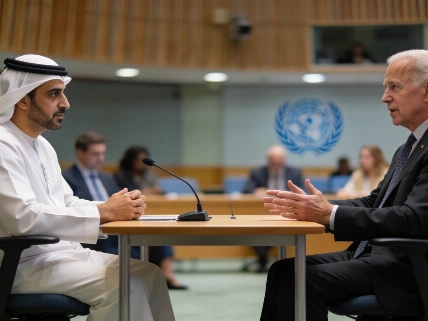
The diplomatic process has also been disrupted. Burhan's visa to attend the UN General Assembly was withheld the previous week. Reuters reported that Sudanese and other sources linked the decision to his refusal to accept the ceasefire proposal. Two Sudanese diplomats said a planned meeting between a Sudanese delegation and Boulos in Washington was cancelled after the visa decision. The US State Department did not immediately respond to a request for comment.
Washington has said that neither the RSF nor the Sudanese armed forces represents legitimate, constitutional governance for Sudan. That position is consistent with the African Union's constitutional governance framework. Article 30 of its African democracy charter prohibits unconstitutional changes of government.
Nyala gives the partition warning a concrete political edge. Reuters reported that the RSF has sought to establish a parallel government in the western Darfur city since last year. The group has appointed ministers, and some police are active. But it has not set up public services or institutions such as schools, hospitals and courts.
Sudan's war began in April 2023. The army and the RSF fell out over issues that included integrating their forces during a planned transition to civilian rule. The United States has accused the RSF of genocide and the army of war crimes, including the use of chemical weapons. After recent battlefield defeats, the RSF had not issued a fresh public response to the US proposal, Reuters reported. Its leader has said fighters intend to continue the war.
Libya's division is a warning about rival authorities hardening into competing political and security structures. The prolonged split has also made oil infrastructure and continued energy production recurring concerns in Libya and abroad. A report on Libya's oil disruption detailed UN warnings that attacks on infrastructure could prompt Security Council measures.
The risks reach beyond formal political boundaries. Sudan borders Libya and Egypt. A prolonged conflict can put more pressure on cross-border movement, trade routes and public services in neighbouring states. The UN Economic Commission for Africa's work on regional integration points to the importance of secure transport links and predictable cross-border trade for African economies. Instability in Sudan could complicate those connections, though the scale of any disruption will depend on how the conflict develops.
The central test is whether the ceasefire proposal can secure an enforceable RSF withdrawal without leaving the force embedded in a rival political order. The question remains open. Until the parties address it, a 90-day pause risks freezing the fragmentation it is meant to prevent.