Syrian and Libyan officials discussed closer cooperation in energy and agriculture and steps to activate the Higher Joint Committee under an August 30 agreement. No projects, funding, timetable or follow-up deals have been independently confirmed.
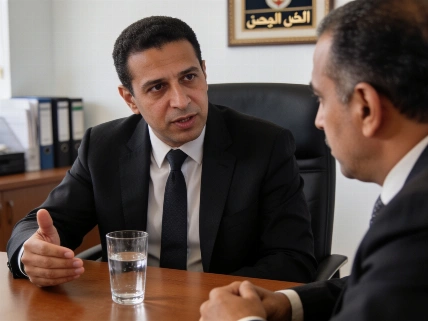
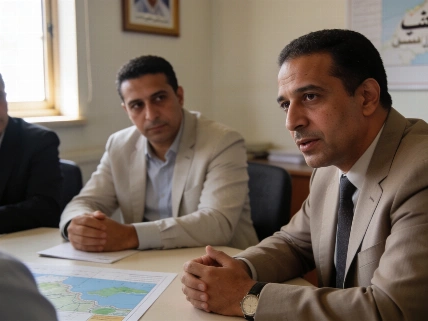
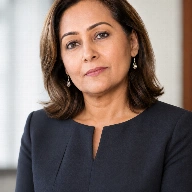
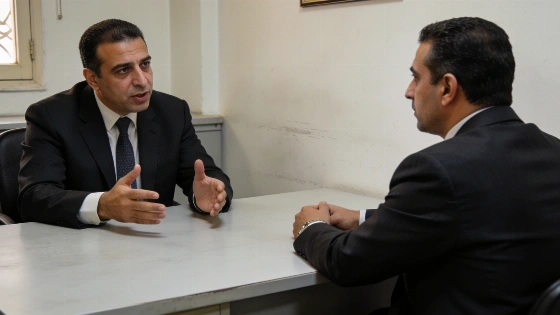
Mohammad Taha al-Ahmad, Adviser for Arab Affairs at Syria's Ministry of Foreign Affairs and Expatriates, met Walid Mohammad Ammar, Chargé d'Affaires of the Libyan Embassy in Damascus. They discussed ways to activate the Higher Joint Committee and keep coordination going across several fields.
Energy and agriculture were named as areas for closer cooperation. The talks covered ways to work together, not confirmed projects or commercial agreements. No deal is confirmed.
The available account gives no timetable, committee membership, financing arrangements or published implementation plan. Research for this article found no independently verified follow-up decision or signed contract. It also found no separate statements from Libya's government or Syria's energy and agriculture authorities. Algeria's APS and Tunisia's TAP were not among the independently verified sources available to confirm further details.
The distinction matters. The meeting concerned cooperation and how to put the committee mechanism into effect, not confirmed energy or agricultural deals. A previous energy report covered investment and oil licensing in Libya and Algeria. This meeting, by contrast, focused on coordination between Syria and Libya. A Syria Weekly report discusses a proposed 566-kilometre gas pipeline through Syria between Turkey and Jordan. The pipeline report does not connect that proposal to these talks, so it is not evidence of a Syrian-Libyan energy project.
The officials also discussed continued communication in other fields. The available research gives no confirmed figures for investment, trade, energy supply, agricultural land or project capacity tied to the talks. Coverage of wider North African energy or agricultural activity, including reporting by Morocco's MAP, does not fill those gaps.
Whether the committee turns discussion into defined cooperation remains to be seen. The meeting points to an effort to set up a channel for work in energy and agriculture. The available information does not confirm that projects have started or new deals have been concluded.