Libya's rival political blocs have struck a UN-brokered deal to overhaul the elections commission and set a two year deadline for national polls. The UN Security Council is urging rapid implementation but warns that public trust and women's participation remain at risk.
Libya's long-stalled path to national elections has finally shifted, but the real test now lies in whether the country's fractured political elite can turn a signed agreement into a functioning electoral process. The UN Security Council has thrown its weight behind a breakthrough deal between Libya's rival camps, but the clock is ticking on a two year deadline and the country's fragile trust is already under strain.
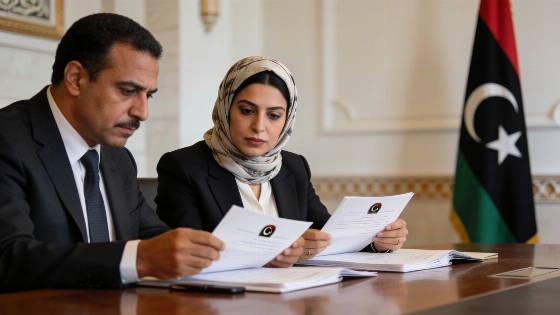
The agreement, reached on 30 August under the auspices of the UN Support Mission in Libya (UNSMIL), reconstitutes the board of the High National Elections Commission and amends the legal framework for both parliamentary and presidential elections. For the first time in over a decade, Libya's east and west have committed to a unified electoral roadmap-on paper at least.
UN presses for action as divisions linger
UN Security Council members have publicly welcomed the deal, calling it an "important step" and pledging full support for UNSMIL and its Special Representative Hanna Tetteh. The Council's statement is more than diplomatic routine: it is a direct call for Libya's political leaders to move from negotiation to implementation, ending years of institutional paralysis that followed the 2011 collapse of Muammar Gaddafi's regime.
But the optimism is tempered by hard realities. Hanna Tetteh, speaking to UN News, made clear that trust remains fragile-not only among politicians but also among ordinary Libyans. The agreement resolves two of the most contentious issues: ensuring all three regions are represented on the elections commission board, and linking the success of legislative and presidential votes. Yet, the country's divided military, security, and economic institutions remain major obstacles to a credible vote.
Women sidelined as online harassment escalates
One of the most acute risks is the exclusion of Libyan women from public life. Tetteh has warned that online hate speech and harassment are driving women out of politics, undermining both the legitimacy and inclusivity of the electoral process. Despite women making up 35 percent of participants in UNSMIL's structured dialogue, legal protections remain weak and intimidation tactics are on the rise.
UNSMIL's dialogue process, which consulted 120 Libyans from across the country between December 2025 and June 2026, revealed deep skepticism about whether the new mechanisms will deliver real change. Local leaders in western Libya have shown some willingness to cooperate with the UN to defuse tensions among armed groups, but the risk of renewed violence remains ever-present.
Regional context and what to watch next
Libya's institutional gridlock has long been a destabilizing force in North Africa, with ripple effects for regional security, migration, and energy markets. The new agreement, if implemented, could finally break the cycle of rival administrations and unlock a unified government. However, as seen in other regional cooperation efforts such as the Algeria-Niger technical partnership reported earlier, the gap between signing and real-world impact can be wide.
For now, the Security Council's endorsement gives UNSMIL a rare window to push for concrete steps: appointing a new elections commission board, finalizing electoral laws, and building public confidence. The next months will reveal whether Libya's leaders are prepared to deliver on their promises-or whether the country will remain trapped in a cycle of paper agreements and broken deadlines.
What stands out is that international support alone cannot substitute for genuine Libyan ownership of the process. The UN's intervention has created a framework, but unless political actors and civil society-especially women-are empowered to participate without fear, the promise of elections will remain hollow. The coming year will determine whether Libya's breakthrough is a turning point or just another missed opportunity in a decade of stalled transitions.