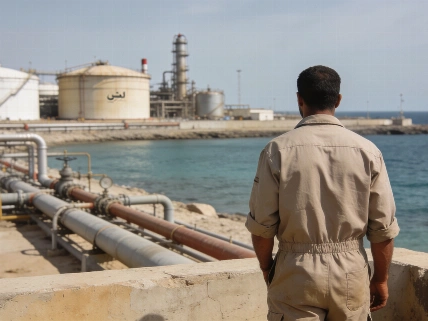

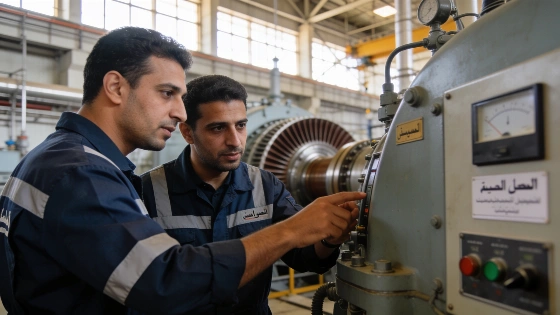
Libya's Zawia Combined-Cycle Power Plant has reconnected its third unit, adding 150 MW to the national grid after months of delays caused by armed attacks and technical setbacks. The move comes amid severe blackouts, public unrest, and sweeping changes at GECOL's leadership.
Libya's battered electricity grid has finally received a critical boost: the third unit at the Zawia Combined-Cycle Power Plant is back online, injecting 150 MW into a system crippled by months of blackouts and public fury. For a country sweltering through a punishing summer, this is more than a technical milestone-it is a political lifeline for a government under siege.
Armed drone strikes and militia clashes repeatedly forced GE Vernova, the US-based maintenance arm of GE, to abandon the Zawia site, halting repairs for days at a time. The most severe disruption came in August, when a drone attack forced a full evacuation. Earlier, in May, nine days were lost to nearby militia fighting. These security breakdowns, combined with technical complications acknowledged by GE Vernova itself, pushed the project far behind schedule. The overhaul, originally set for completion by July 2026, became a test of whether Libya's institutions could deliver even basic services under fire.
Public Outrage and Political Fallout
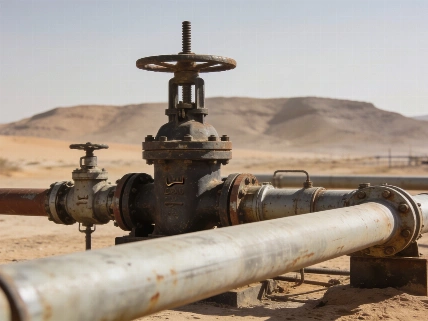
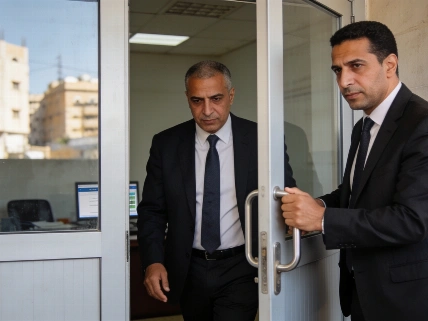
As the outages dragged on, Libya's streets erupted. Demonstrators barricaded roads with rubble and burning tyres, welded shut government buildings, and even stormed the Mellitah Gas Complex, temporarily halting gas exports to Italy via the GreenStream pipeline. What began as anger over power cuts quickly escalated into calls for the downfall of the government and state institutions. The Prime Minister responded by sacking the entire GECOL board, a move that underscored just how politically toxic the electricity crisis had become.
For context, the scale of public frustration was evident when GECOL received nearly 10,000 outage reports in a single day, as reported earlier. The company's technical teams scrambled to respond, but the underlying problem-chronic underinvestment and security risks-remained unresolved until now.
Technical Recovery and Remaining Risks
To break the deadlock, GE Vernova mobilized additional engineering teams and remote support from its global network, working alongside GECOL engineers to accelerate repairs. The return of the third unit is a tangible result, but it is not a cure-all. Libya's grid remains vulnerable to both technical failures and armed interference, and the broader system still faces capacity shortfalls as demand peaks in extreme heat.
For the Prime Minister and his new GECOL leadership, the restored capacity at Zawia offers a brief respite. Yet the underlying fragility of Libya's energy infrastructure remains. The government's ability to maintain even this modest gain will be tested by the next security flare-up or technical fault. In a country where basic services have become a battleground, the return of Zawia's third unit is a necessary win-but it is only a first step toward restoring public trust and institutional credibility.