Hydrocarbons still dominate Algeria's exports and public revenue. The IMF says stronger private firms and tighter spending choices are needed to turn diversification reforms into durable jobs and broader export growth.
Hydrocarbons still provide most of Algeria's export earnings and a substantial share of government revenue. That dependence limits the public finances available to sustain investment when commodity prices fall.
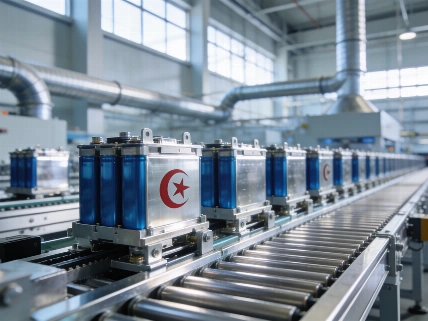
The International Monetary Fund says reforms have helped increase the nonhydrocarbon share of real GDP and goods exports. Export revenue from other sectors has also grown during the past decade, although oil and gas remain dominant and the export base is concentrated in a few products.
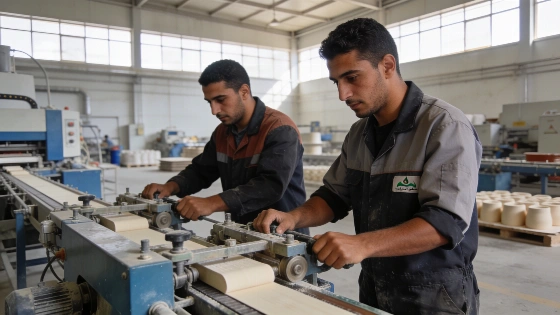
Private firms are central to export growth
Authorities have changed investment and mining rules. They have also streamlined procedures by creating a digital one-stop platform for investors. The IMF says stronger private companies could help broaden exports, including with products that are less carbon-intensive as global markets shift towards lower-carbon activity.
That requires efficient infrastructure and predictable regulation. Companies also need access to finance and appropriate skills. They need fair competition with state-owned enterprises. Continued support for entrepreneurship could help younger firms adopt technology and reach new markets.
Maghreb Insider has separately covered Algeria's regional posture in a report on its Sahel rivalry with Morocco, a distinct issue from the IMF's focus on the economy.
Large projects add pressure to public finances
Infrastructure investment could improve connectivity and open economic opportunities, but large projects require substantial financing. The IMF says they have also increased imports and put pressure on public finances. It recommends prioritising projects with the strongest expected economic returns and the potential to raise productivity and create lasting employment.
Persistent budget deficits and financing pressure could make the investment programme harder to sustain. The IMF calls for gradual fiscal consolidation. It also urges stronger nonhydrocarbon revenue and more efficient public spending, while protecting vulnerable households and saving more hydrocarbon income when prices are high.
The assessment was set out by IMF Economists Haris Tsangarides and François Painchaud. Véronique Salins was also among the authors. They said: "Africa's energy exporter has made encouraging progress towards a more diversified economy."