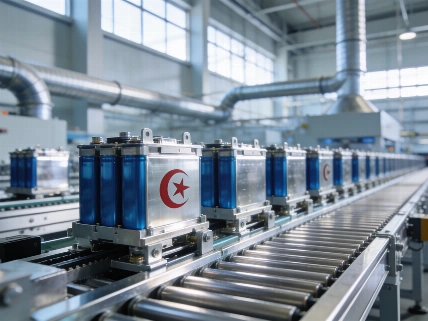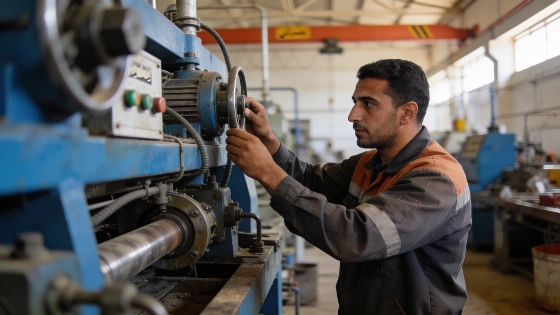
The IMF says Algeria's diversification gains remain limited while hydrocarbons dominate exports. It urged tighter investment priorities and stronger public finances to support a more competitive private sector.
Hydrocarbons continue to dominate Algeria's exports and remain an important source of public revenue, while the rest of the export base is concentrated in a limited number of products. That imbalance sharpens the International Monetary Fund's warning about turning investment into lasting diversification and leaves the economy exposed to energy-price volatility.
In an article titled "Creating the Conditions for Lasting Diversification in Algeria," published on its website on Nov. 3, the IMF said Algeria had made "encouraging progress" through investment, reforms, natural-resource development and closer links with African and European markets. The analysis was written by IMF economists Haris Tsangarides, François Painchaud and Véronique Salins. They said the non-hydrocarbon share of real GDP and merchandise exports had risen gradually, while non-hydrocarbon export revenues had grown over the past decade. The economists described the trend as slow, with hydrocarbons still dominant in exports. The IMF analysis calls for investment that increases productivity, employment and export capacity.
Investment needs to expand productive capacity
Algeria's strategy centres on major projects intended to increase non-hydrocarbon production and exports. The plans cover mining, food and water security, transport and trade infrastructure. The IMF said these projects could improve connectivity and expand productive capacity. It recommended prioritizing investments that raise productivity, create jobs and support a more dynamic private sector.
The authorities have introduced measures to simplify administration and facilitate trade. These include reforms affecting investment and land, changes to mining rules and a digital one-stop platform for businesses. The IMF said the non-hydrocarbon share of real GDP and merchandise exports had gradually increased, while export revenues from those sectors had grown over the past decade. The export base is broadening, but slowly.
Even so, hydrocarbons remain the mainstay of exports. A separate Maghreb Insider account of Morocco's AI ministry examined a different policy challenge: delivering ambitious targets with sufficient research and public capacity.
Private firms and public finances
The Fund said a competitive private sector would be essential to broaden exports, particularly in less carbon-intensive activities. Businesses need reliable infrastructure, access to finance, appropriate skills and effective institutions, alongside predictable regulations and fair competition with state-owned enterprises. The IMF also emphasized conditions that help younger firms scale, adopt technology and reach foreign markets.
Algeria also needs stronger public finances and external buffers, the IMF said. Persistent deficits and financing constraints could put the investment programme's sustainability at risk. It recommended gradual fiscal consolidation through more efficient spending and higher non-hydrocarbon revenue, while protecting priority investment and vulnerable households.
Fluctuating hydrocarbon prices can affect government revenue and public investment. The IMF called for stronger financial buffers and a more predictable approach to saving revenue windfalls, so investment can continue when prices fall. It said the central challenge is translating investment and reform into durable gains in productivity and employment, alongside stronger exports.