
Politics and Power - Page 2
164 articles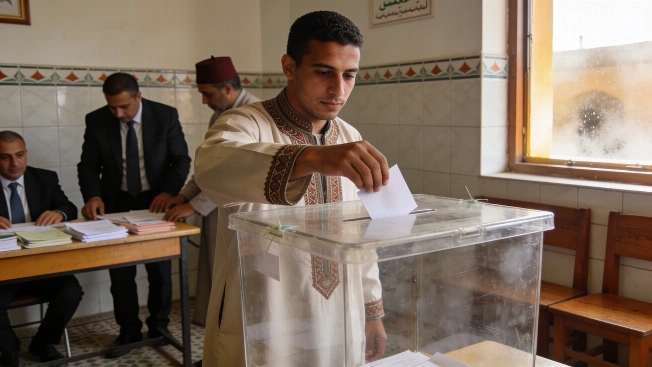
Morocco's Young Candidates Challenge a Low-Trust Parliament
PAM secured 97 seats as turnout fell to 38.08%, down from 50.86% in 2021. Young candidates from peripheral territories are pressing for better services and accountability, with their influence dependent on oversight and delivery.
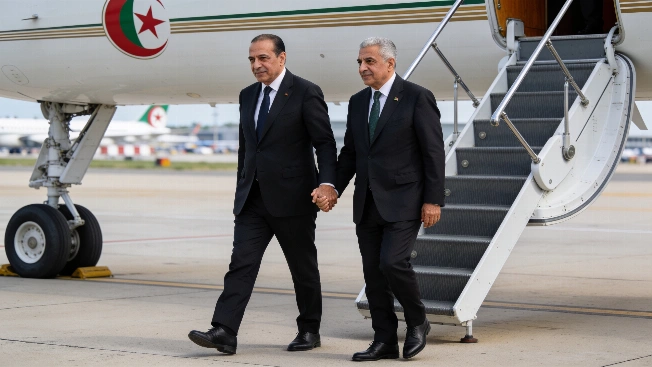
Saied's foreign policy narrows Tunisia's regional influence
Saied's partnerships with Algeria and Iran have narrowed Tunisia's diplomatic room as vacant posts and conflicting policies strain ties across the Maghreb and Africa. Trade figures and migration policy show the costs.
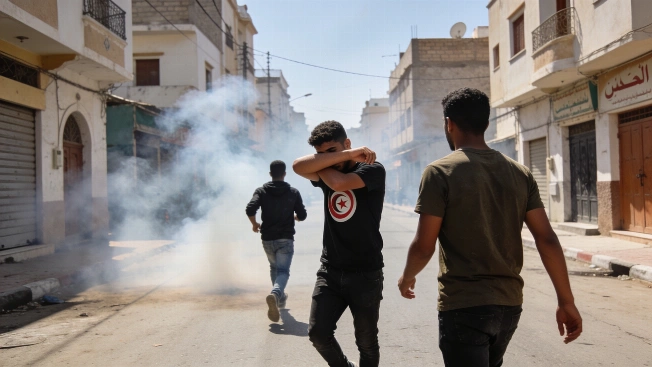
Tunisian Protests Put Police Conduct and State Pressure in Focus
Police used tear gas after deaths linked to security actions sparked protests in several Tunisian cities. In Sfax, students blamed delayed ambulance care for a female student's death as unrest unfolds amid a wider national crisis.
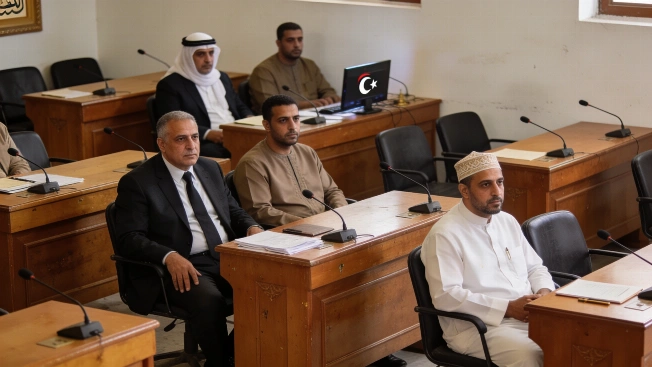
Libya's eastern parliament approves Türkiye maritime deal
The unanimous vote reverses the eastern parliament's 2020 rejection of agreements with Türkiye. Erdogan welcomed the move while saying a separate defence pact with Saudi Arabia and Pakistan has been submitted to Türkiye's parliament for ratification.
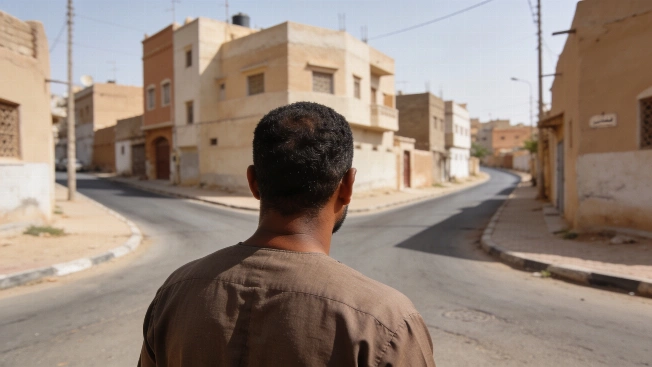
Gaddafi's Political Legacy Still Shapes Libya and the Sahel
The February 2026 assassination of Saif al-Islam has further weakened his father's supporters. Libya's post-2011 division still shapes debates about instability and security across the Sahel, as well as the consequences of foreign intervention.
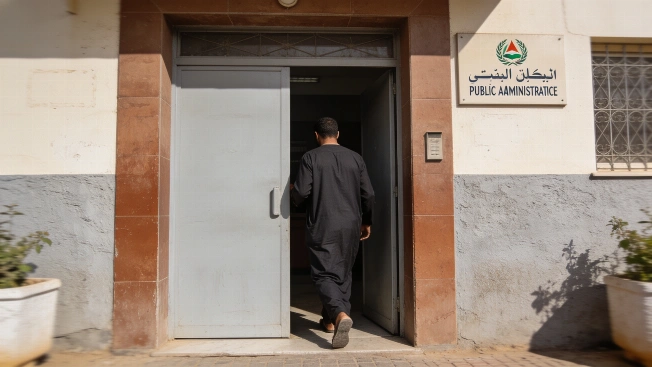
Morocco's New Government Puts Integrity and Household Costs First
Morocco's new government has placed anti-corruption and purchasing power among its stated priorities. The programme also sets targets for household assistance, inflation, economic growth and the budget deficit, alongside tax and electricity-bill measures.
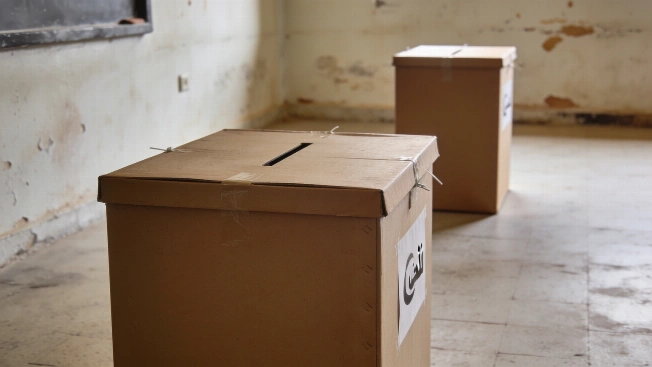
Libya's Rival Election Plans Test UN Authority and AU Influence
Libya's June 2026 roadmap sets elections for February 2027, while a UN-backed framework allows up to 24 months. The clash tests whether the UN can incorporate an AU-backed initiative without weakening regional mediation.
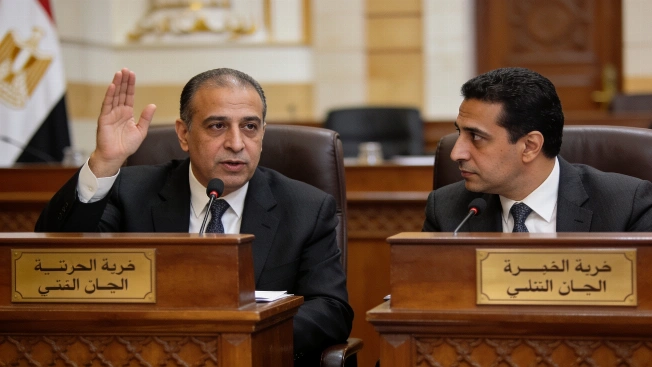
Egypt's MPs Delay Saudi Deployment Vote
Egypt's House has postponed a vote on backing Saudi Arabia while MPs seek deployment details. The speaker has promised at least three sessions, but no public Saudi request is known.
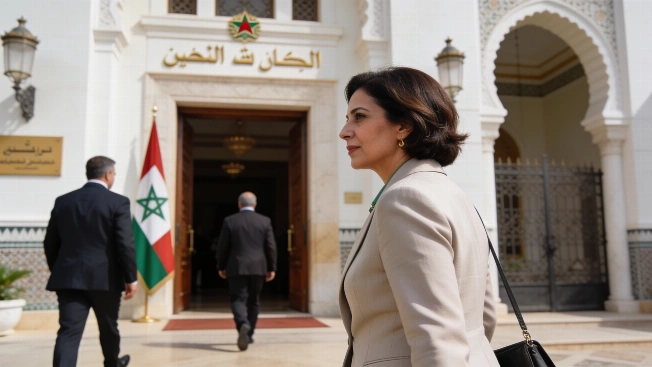
Morocco's New Cabinet Faces Its First Delivery Test
Fatima Ezzahra El Mansouri's cabinet brings four majority parties together around a shared programme. Its test will be making progress on inequality and public confidence while preparing for the 2030 World Cup.
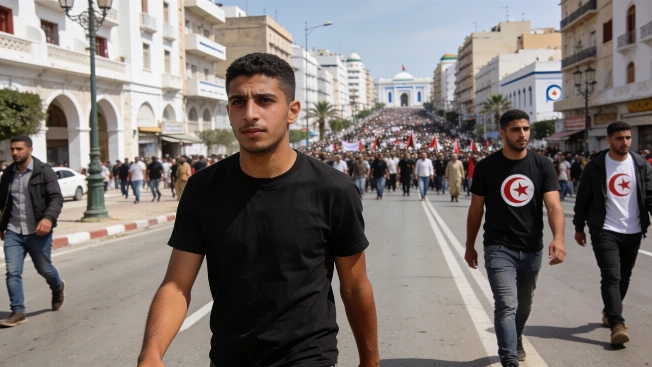
Thousands Challenge Saied in Tunisia's Biggest Protest in Years
The UGTT and civil society groups led marchers into central Tunis, where protesters demanded the release of critics. They also pointed to worsening services and economic strain after Saied expanded executive power in 2021 and 2022.
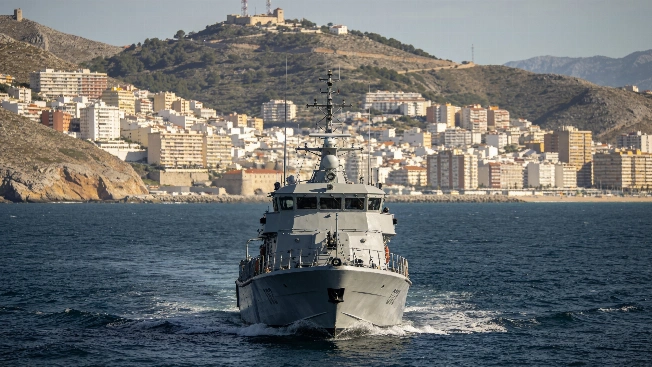
Feijóo urges Spain to answer Morocco firmly
ABC says a Moroccan patrol boat spent seven hours in Ceuta's waters on 15 October. Spanish authorities say they have no record of a new incursion, while Alberto Núñez Feijóo calls for a firm response.
Ayuso Claims PSOE Leaders Have Interests in Morocco
Ayuso named no PSOE leaders and offered no evidence for her claim. Reporting on José Bono-linked property activity in Tangier documents business interests, but no connection to Spain's Morocco policy.
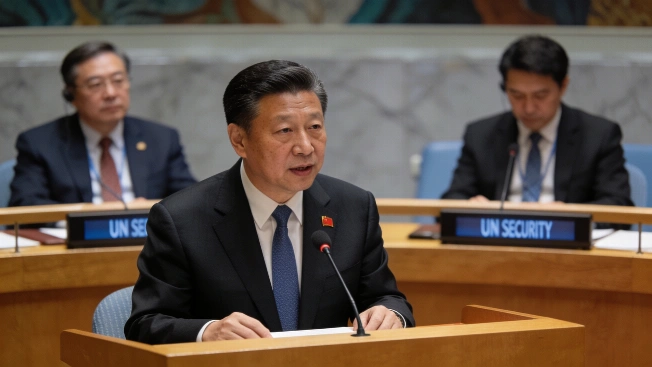
Beijing presses Libya's rivals to avoid renewed fighting
At a UN Security Council briefing, Beijing urged Libya's rival political forces to reach consensus, warning that renewed fighting could erode mutual trust and derail the transition.
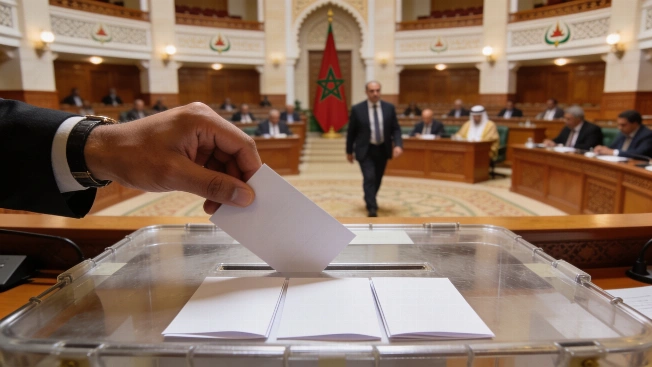
Ahmed Touizi takes Morocco's lower-house speakership
Ahmed Touizi won 220 votes to lead Morocco's lower house for five years. Lawmakers also approved the chamber's bureau and named chairs for its nine standing committees.
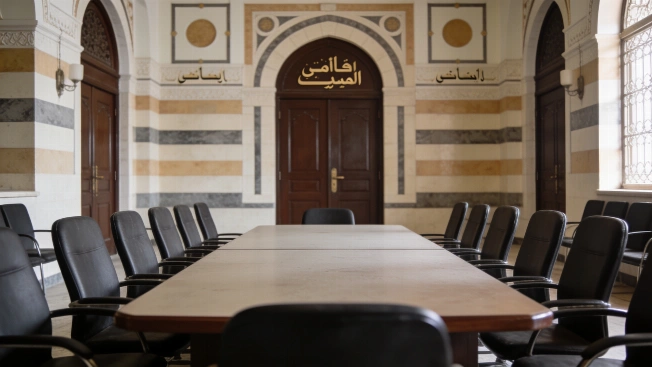
Libya's 4+4 Roadmap Runs Into Institutional Resistance
The 24-month plan remains stalled after objections from Libya's High Council of State and concerns raised by the Presidential Council. The UN will consult participants this month on a broader mechanism and the next steps towards elections.
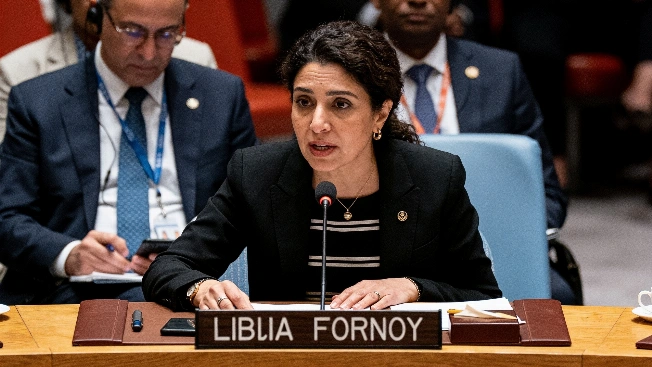
Libya Deal Advances as Political Resistance Persists
Hanna Serwaa Tetteh called the Smaller Convening Agreement a basic stage after four months of talks. She warned that inflammatory rhetoric and institutional divisions still threaten elections and Libya's stability.
Libya's Rivals Set Election Rules Before UN Review
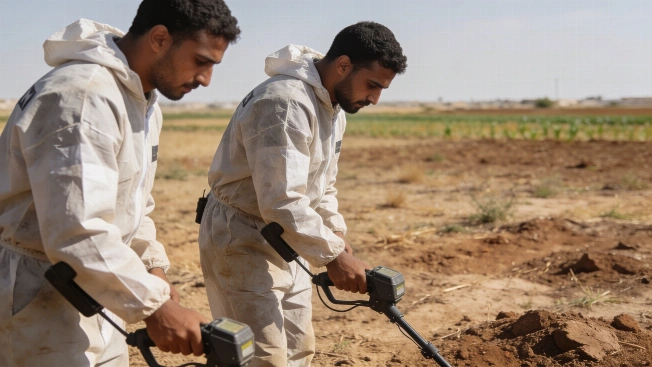
A 30 August agreement sets a two-year timetable for Libyan elections. UN-backed teams cleared 14,066 explosive items in Misratah from January to September 2026.

Mohammed VI seeks migration reset and faster devolution
At the opening of Morocco's 12th parliamentary term on October 9, Mohammed VI urged new strategies for water and energy, with food security also on the agenda. He pressed for more private investment and faster regional devolution, and called for a review of migration cooperation with Spain without ending the partnership.
Morocco's Penal Code Clouds 2030 World Cup Bid
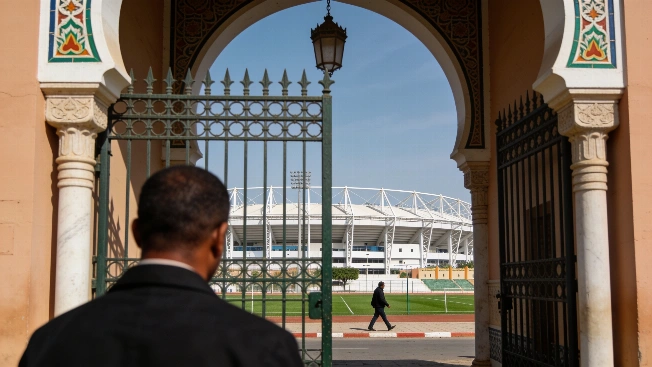
FIFA's assessment and Morocco's rights council have raised concerns about the country's laws. No official changes have been confirmed to Penal Code provisions covering private relationships or public fasting, including same-sex relations and sex outside marriage.
Libya's new speaker inherits a UN election timetable
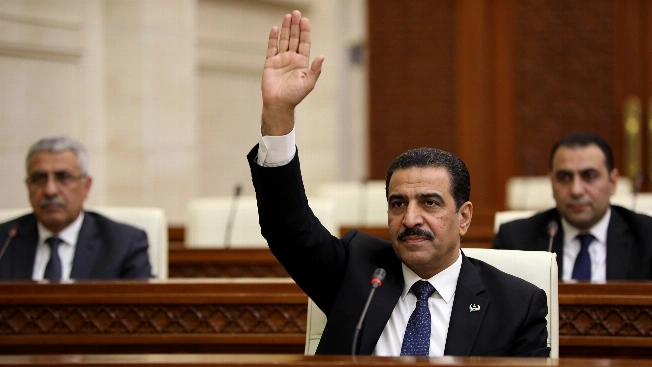
Libya's lawmakers have elected a new speaker and adopted rules for rotating, 12-month leadership terms. The change gives the UN-backed process a new parliamentary counterpart, while the committee's agreement sets a 24-month election horizon; the rules set no national election date and guarantee no vote.
Libya's parliament elects new speaker after 12 years under Aguila Saleh
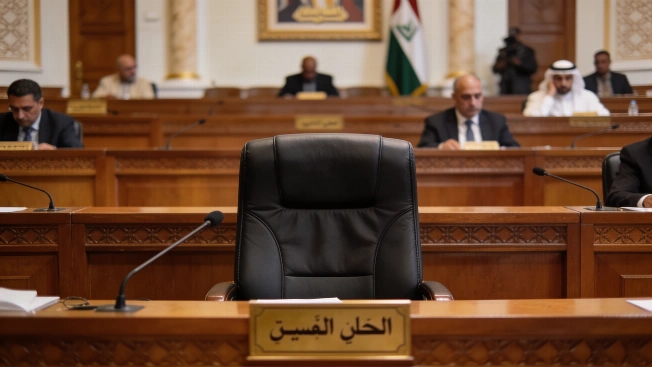
Salihin Abdulnabi al-Obeidi was elected after 111 deputies took part in the leadership vote. Aguila Saleh disputes the process, which followed a rule change limiting the speaker's term to 12 months.
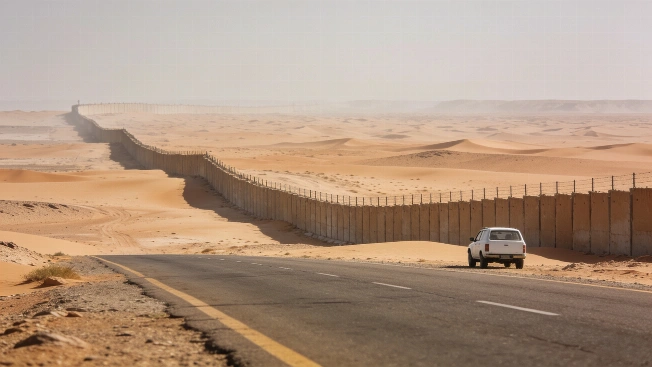
Morocco's Autonomy Plan Reshapes Western Sahara Talks
Renewed talks in 2026 have brought Morocco's autonomy proposal and competing positions back to the negotiating table. The shift has not settled Western Sahara's status or resolved the dispute over Sahrawi self-determination.

Istiqlal Faces a Test of Public Trust in Morocco
Istiqlal enters Morocco's coalition talks with 65 parliamentary seats and strong southern networks. But turnout fell to 38.08%, raising a basic question: can the party turn government influence into economic gains people can see and help restore public confidence?
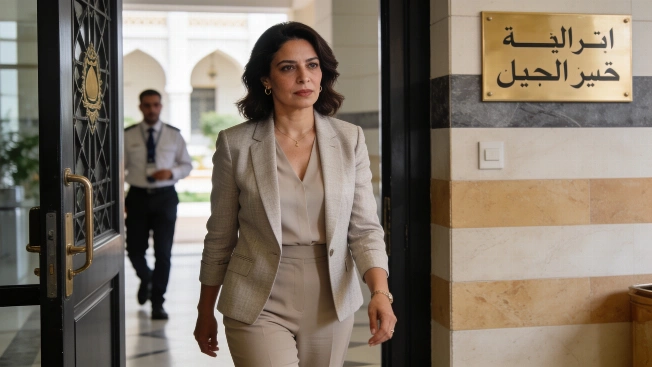
Morocco Names First Woman Prime Minister as African Risks Persist
On September 29, King Mohammed VI appointed Fatima Ezzahra El Mansouri as Morocco's first woman prime minister and asked her to form a government. Her party won the most seats in the September 23 parliamentary election. Elsewhere, renewed fighting in Ethiopia, deaths in Nigerian custody and a court challenge to a proposed refinery in Kenya exposed continuing political and economic risks.
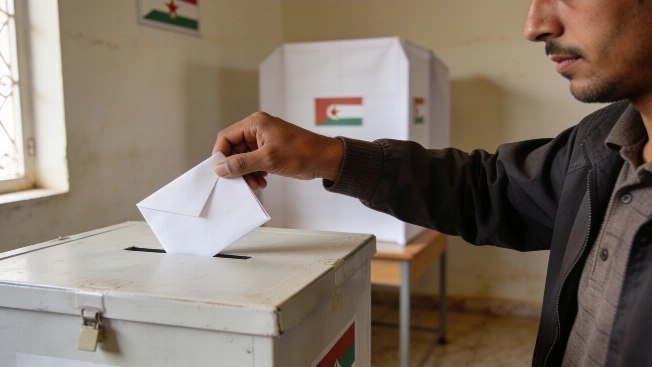
Morocco's 2026 Vote Tests the Limits of Electoral Change
On September 23, 28 parties and 7,288 candidates contested Morocco's parliamentary election. Turnout was 38.08%, and the author argues that the ballot cannot change who holds decisive power or answer young people's demands for public services and accountability.
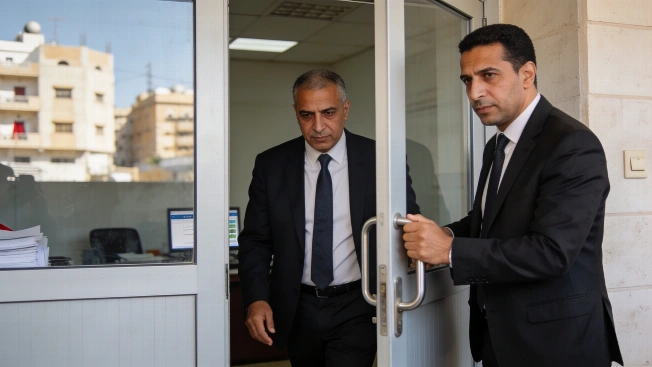
African Union Reopens Tripoli Office to Deepen Libya Engagement
The African Union has returned to Tripoli after an 11-year closure, reopening a direct channel for cooperation. Libya remains politically divided, and its institutions continue to face major challenges.
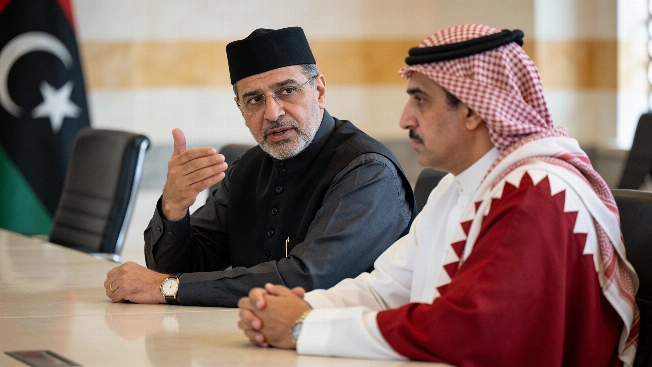
Saddam Haftar and Bahrain Back Libya's UN-Led Election Track
At a Benghazi meeting, Saddam Haftar and a Bahraini delegation backed UN-led efforts to unify Libya's institutions. The August structure allows up to 24 months to address electoral and institutional questions, but sets no voting date and does not resolve the legal dispute.
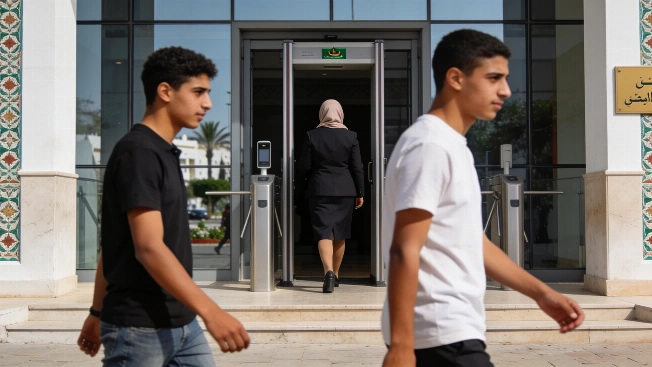
Morocco's Next Government Faces a Test of Public Trust
After the 2026 election, King Mohammed VI asked Fatima Ezzahra El Mansouri to form Morocco's next government, the first time a woman has received that mission. Coalition talks and low turnout have sharpened the challenge of turning political promises into jobs and better services while rebuilding public trust.
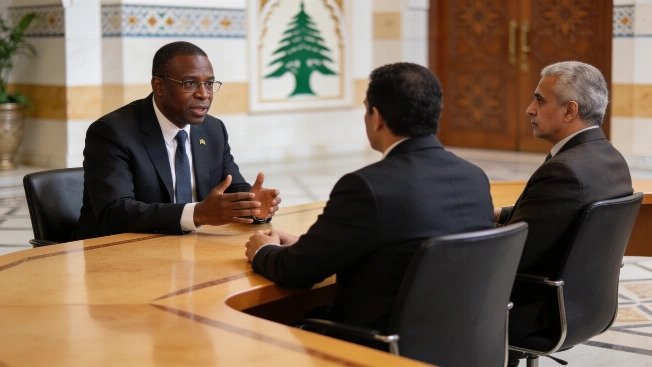
African Legislators Back Morocco's Vaccine Plans
Speakers of African parliaments backed Morocco's vaccine manufacturing plans and praised its pandemic assistance to African states. Morocco's health authorities describe production capacity as a project under development, not established serial output.
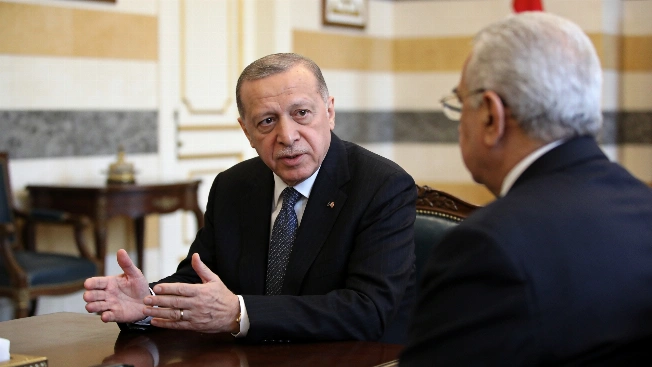
Egypt Backs UN Push for Simultaneous Libya Elections
At a Cairo meeting, Badr Abdelatty backed the UN roadmap and simultaneous presidential and parliamentary elections. Its first steps include work on election laws and a new elections commission board, but disputes over legal approval and Libya's divided institutions remain unresolved.
Page 2 of 6